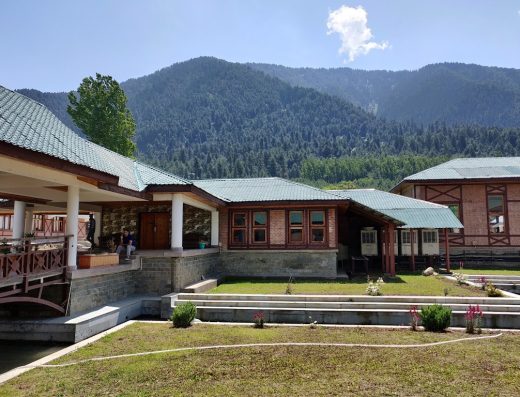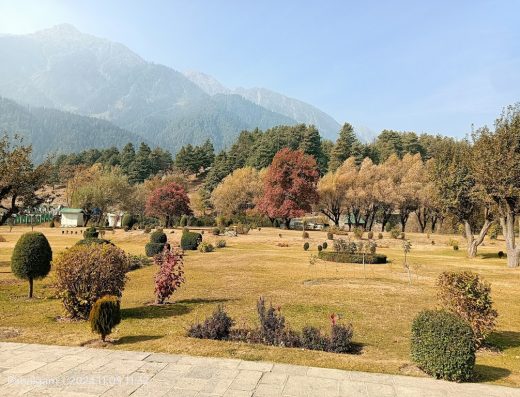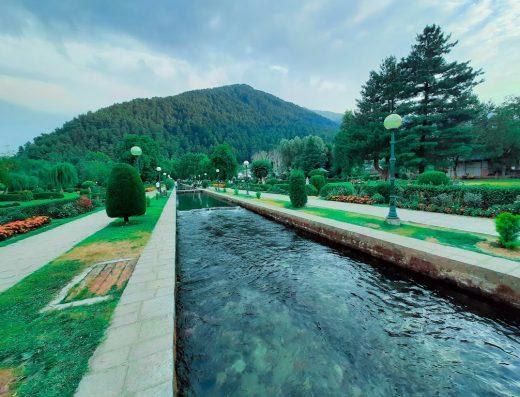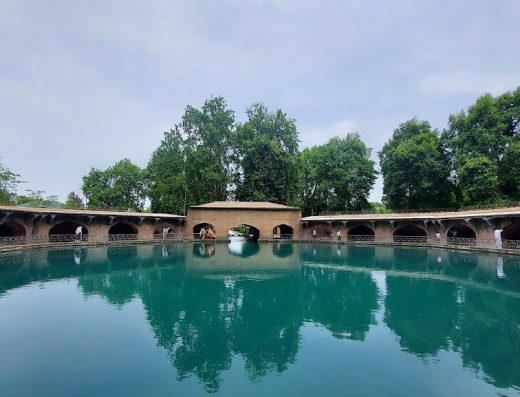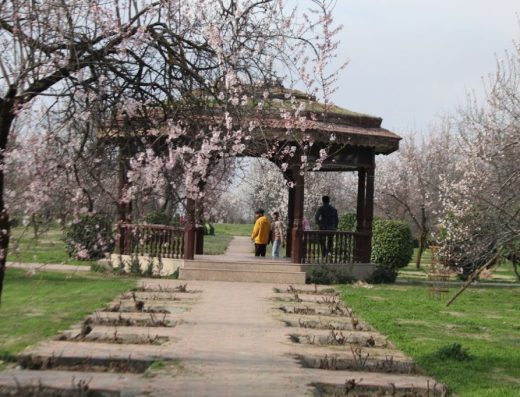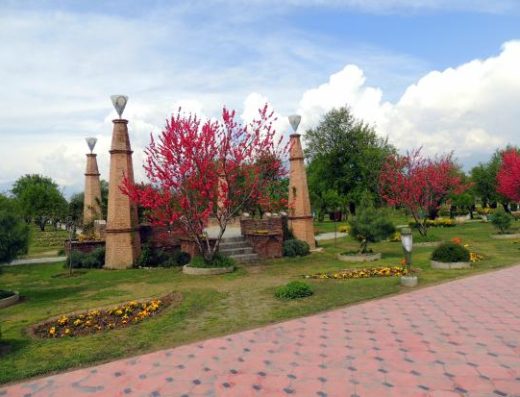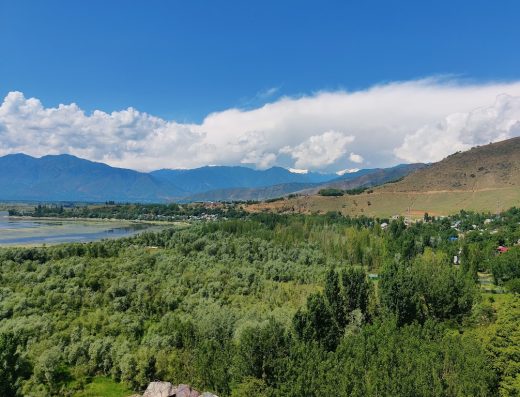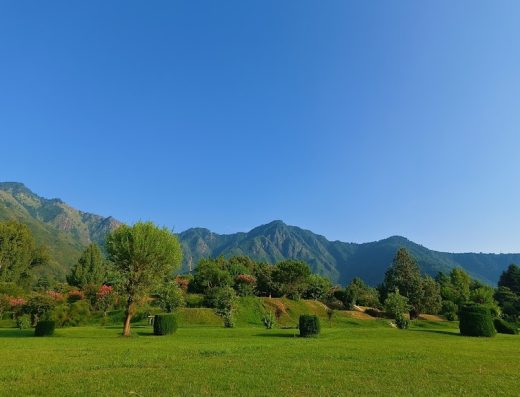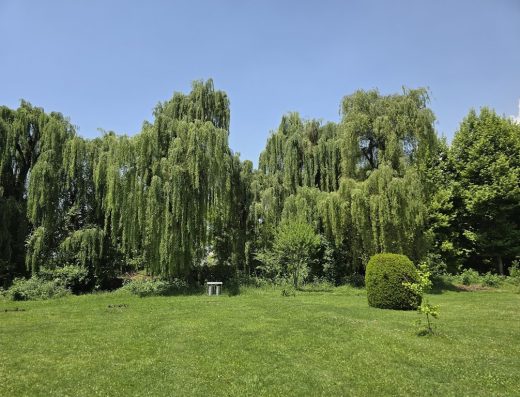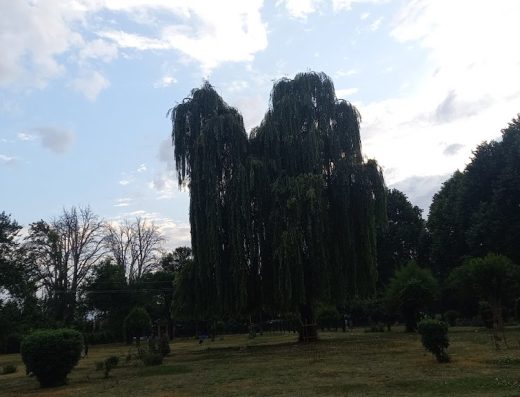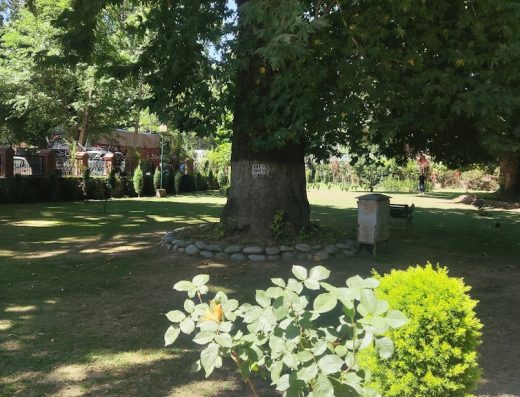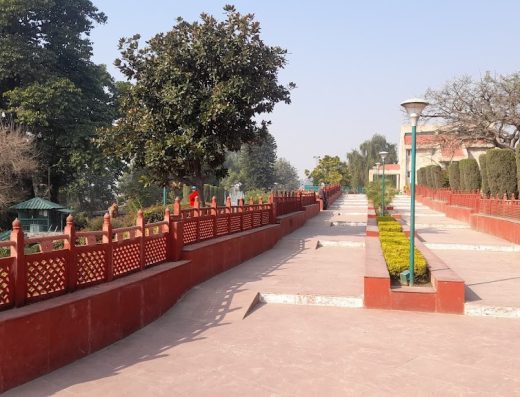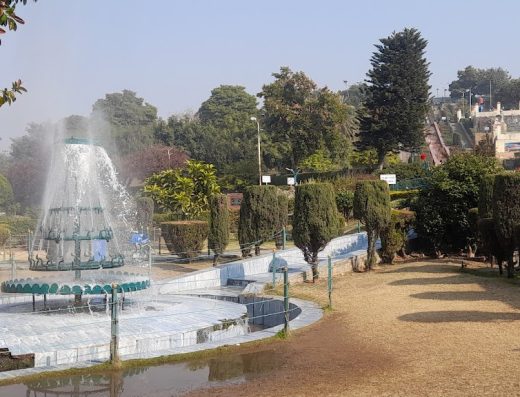
Among all the popular Mughal Gardens this seems the the best among all in terms of exquisite beauty and having most no. of old Chinar trees.
Springs are functional unlikely the other gardens.

Comes on the way to verinag from pahalgam
Well maintained by Government authorities
Entry fee is Rs.30 per indian national.
It is a must see if you are in the vicinity.
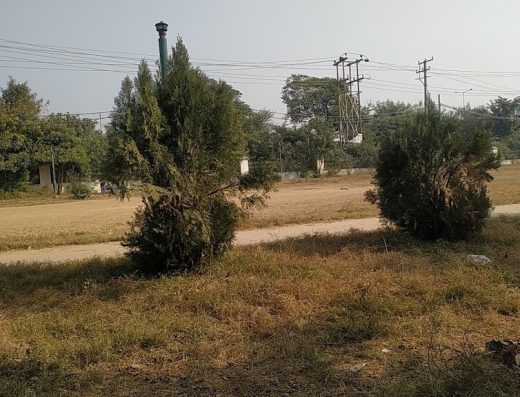
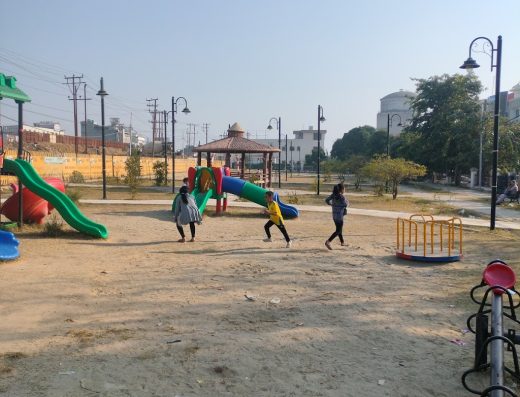
Beautiful garden but needs better care...
Achabal Garden is a truly beautiful and historic place, with lovely natural surroundings and flowing springs. However, the water is very dirty and the garden as a whole needs proper care and maintenance. Visitors also tend to litter.. especially with plastic, which spoils the charm of the garden. Strict laws and better upkeep are needed to preserve its beauty.
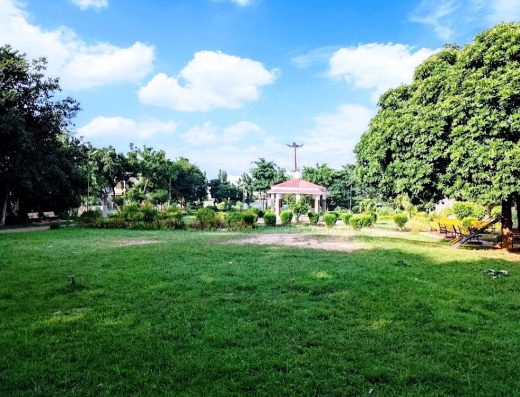
**“Achabal Garden is an absolutely beautiful spot adorned with vibrant flowers and towering Chinar trees. The garden’s charm is enhanced by the serene spring water that flows throughout in three streams… It’s truly an incredible place to relax and appreciate nature.”**
*Beautiful laid out Mughal garden. Best among all the Mughal gardens… Terraced garden with water flowing in the centre… Lots of Chinar trees and so plenty of shade.
💡 Visitor Tips
Best seasons: Spring to early autumn (April–October) offers lush blooms; autumn brings stunning chinar foliage .
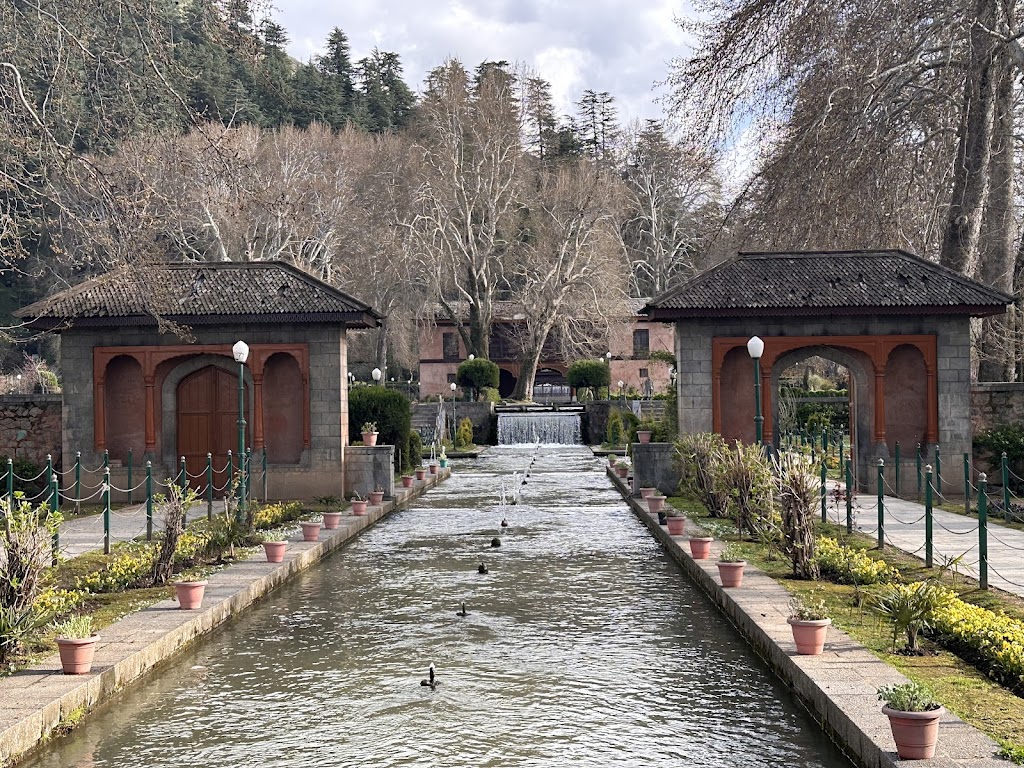
Ideal visit duration: Around 45 minutes to an hour is ideal to explore terraces, fountains, and take in the scenery .
Entry details: Nominal ticket (₹10–₹25). Open roughly 8–9 AM to 7–8:30 PM daily .
Family‑friendly: Safe and relaxing, though vigilance is required around water channels for small children .
Achabal Garden is one of the most beautiful Mughal gardens in Kashmir. The terraced layout, flowing spring water, and huge chinar trees make it a peaceful and refreshing place to visit. It’s less crowded compared to other gardens, so you can really enjoy the calm atmosphere. The water channels and fountains are soothing, and the garden looks especially magical in autumn when the chinars turn golden.
Entry is reasonable, but maintenance could be improved in some areas (especially dustbins). Overall, a must-visit spot near Anantnag for history lovers,families, and photographers.
Origins & Architecture
Built around 1620 AD by Empress Nur Jahan, later remodeled by Jahanara Begum between 1634–1640, Achabal follows the classic Persian Charbagh layout adapted to its hillside topography.
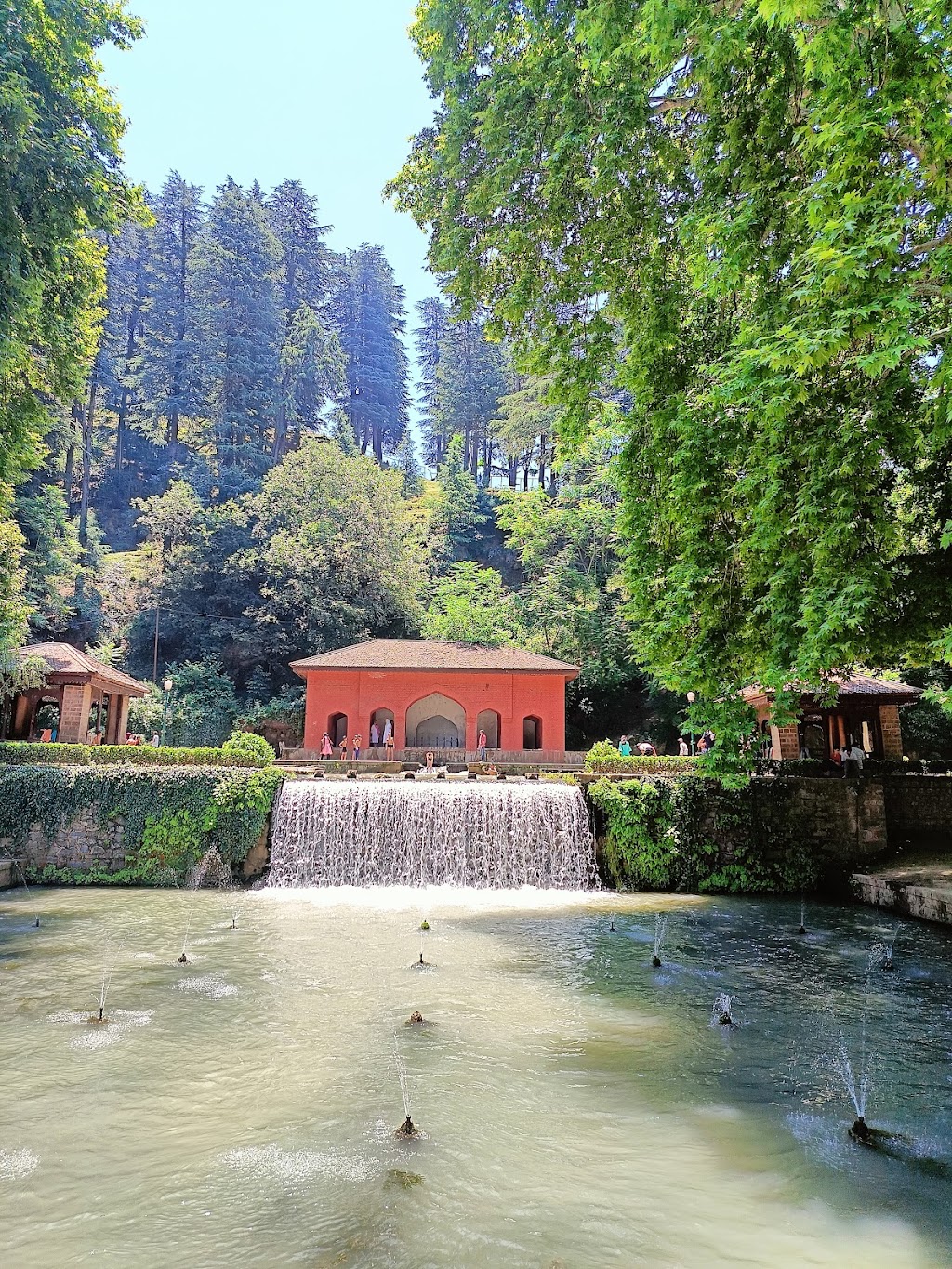
Originally spanning multiple terraces, today it comprises three levels, with water cascading from an underground spring atop the hill through engraved water ramps known as chadars, creating beautiful water features and fountains.
Sacred Spring
The garden is nourished by an underground spring, believed to be a re-emergence of the Brengi River, which vanishes in Dewalgam and resurfaces here, a unique hydrological phenomenon. Early visitors tested this by releasing chaff at the disappearance point, which reappeared in the garden’s spring.
Described as issuing “with violence, as if from the bottom of some well,” its cold, abundant water formed a majestic waterfall and sheet cascade in the central terrace.
Restorations & Public Access
After falling into decay, the Garden was partially revived in the 19th century by Maharaja Gulab Singh during the Dogra era; today it operates as a public garden offering historical ambience and scenic beauty.
---
🌳 Design & Features
Terraces & Water Channels
The garden is laid out on three terraces. A central axial stream with fountain basins cuts through them, flanked by side channels and chadars that connect levels with water flowing over decorated stone ramps.
Architectural Highlights
Includes baradari-style pavilions, a two-story balahdari that straddles the central pool, and ruins of a Mughal-era hammam (warm water bath). A mosque attributed to Prince Dara Shikoh also stands within the premises.
Natural Elements
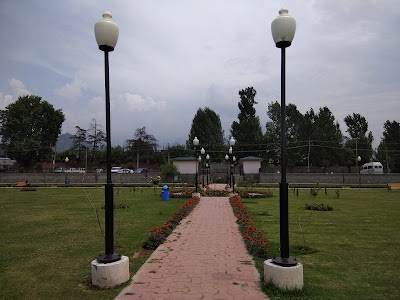
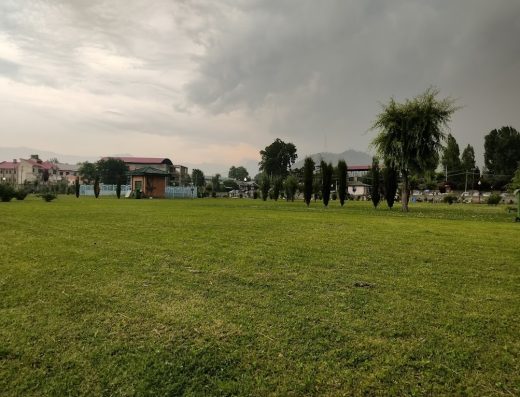
Ancient Chinar and deodar trees, manicured flower beds, and seasonal blooms (roses, marigolds, tulips) enhance the garden’s charm—particularly stunning in spring, summer, and autumn
Sumalya Ghosh
a month agoAmong all the popular Mughal Gardens this seems the the best among all in terms of exquisite beauty and having most no. of old Chinar trees. Springs are functional unlikely the other gardens. Comes on the way to verinag from pahalgam Well maintained by Government authorities Entry fee is Rs.30 per indian national. It is a must see if you are in the vicinity.
Farheen Afzal
3 months agoBeautiful garden but needs better care... Achabal Garden is a truly beautiful and historic place, with lovely natural surroundings and flowing springs. However, the water is very dirty and the garden as a whole needs proper care and maintenance. Visitors also tend to litter.. especially with plastic, which spoils the charm of the garden. Strict laws and better upkeep are needed to preserve its beauty.
Muhammad Munib
5 months ago**“Achabal Garden is an absolutely beautiful spot adorned with vibrant flowers and towering Chinar trees. The garden’s charm is enhanced by the serene spring water that flows throughout in three streams… It’s truly an incredible place to relax and appreciate nature.”** *Beautiful laid out Mughal garden. Best among all the Mughal gardens… Terraced garden with water flowing in the centre… Lots of Chinar trees and so plenty of shade. 💡 Visitor Tips Best seasons: Spring to early autumn (April–October) offers lush blooms; autumn brings stunning chinar foliage . Ideal visit duration: Around 45 minutes to an hour is ideal to explore terraces, fountains, and take in the scenery . Entry details: Nominal ticket (₹10–₹25). Open roughly 8–9 AM to 7–8:30 PM daily . Family‑friendly: Safe and relaxing, though vigilance is required around water channels for small children .
Ansars Photography (Ansars Photography)
3 months agoAchabal Garden is one of the most beautiful Mughal gardens in Kashmir. The terraced layout, flowing spring water, and huge chinar trees make it a peaceful and refreshing place to visit. It’s less crowded compared to other gardens, so you can really enjoy the calm atmosphere. The water channels and fountains are soothing, and the garden looks especially magical in autumn when the chinars turn golden. Entry is reasonable, but maintenance could be improved in some areas (especially dustbins). Overall, a must-visit spot near Anantnag for history lovers,families, and photographers.
S A SHEIKH
4 months agoOrigins & Architecture Built around 1620 AD by Empress Nur Jahan, later remodeled by Jahanara Begum between 1634–1640, Achabal follows the classic Persian Charbagh layout adapted to its hillside topography. Originally spanning multiple terraces, today it comprises three levels, with water cascading from an underground spring atop the hill through engraved water ramps known as chadars, creating beautiful water features and fountains. Sacred Spring The garden is nourished by an underground spring, believed to be a re-emergence of the Brengi River, which vanishes in Dewalgam and resurfaces here, a unique hydrological phenomenon. Early visitors tested this by releasing chaff at the disappearance point, which reappeared in the garden’s spring. Described as issuing “with violence, as if from the bottom of some well,” its cold, abundant water formed a majestic waterfall and sheet cascade in the central terrace. Restorations & Public Access After falling into decay, the Garden was partially revived in the 19th century by Maharaja Gulab Singh during the Dogra era; today it operates as a public garden offering historical ambience and scenic beauty. --- 🌳 Design & Features Terraces & Water Channels The garden is laid out on three terraces. A central axial stream with fountain basins cuts through them, flanked by side channels and chadars that connect levels with water flowing over decorated stone ramps. Architectural Highlights Includes baradari-style pavilions, a two-story balahdari that straddles the central pool, and ruins of a Mughal-era hammam (warm water bath). A mosque attributed to Prince Dara Shikoh also stands within the premises. Natural Elements Ancient Chinar and deodar trees, manicured flower beds, and seasonal blooms (roses, marigolds, tulips) enhance the garden’s charm—particularly stunning in spring, summer, and autumn